When nuclear energy is mentioned, the first concept that comes to mind is usually mass destruction—particularly nuclear weapons in their atomic, neutron, and hydrogen variants. In reality, however, nuclear energy
released through fission or fusion reactions has many other applications, in addition to those related to nuclear radiation and radioactive isotopes.
In essence, there are peaceful applications of nuclear energy that serve humanity and enhance quality of life. This advanced technology provides effective solutions to major challenges in several fields, including—though not limited to—energy, healthcare, and economic and industrial development.
First: The Origins of Nuclear Energy
The initial development of nuclear energy was driven by military purposes, shaped by geopolitical conditions during World War II (1939–1945), which imposed an accelerating scientific arms race. Military superiority was the primary catalyst for scientific activity at that time.
In 1934, German scientists discovered that the fission of a uranium atom could generate an unprecedented amount of energy. This energy could be used in nuclear reactors to generate electricity or, alternatively, for military purposes due to its immense destructive capability. Based on this discovery, German scientists devoted their efforts to developing a non-peaceful nuclear program, hoping to produce a decisive weapon that could shift the balance of power during World War II.
Soon thereafter, through espionage, the concept reached the United States, which seized the initiative and launched the Manhattan Project (1942–1945), representing the first practical application of nuclear energy through the production of atomic bombs to confront Germany and Japan. This led to the first combat use of nuclear energy, manifested in the atomic bombings of Hiroshima and Nagasaki in August 1945—an event that reshaped history and ushered in the nuclear age.
From an ethical standpoint, achievements in weapons of mass destruction—particularly nuclear weapons—are fundamentally incompatible with the principle of positive and constructive scientific application.
Second: Prospects for the Peaceful Use of Nuclear Energy
Following the end of World War II, scientists and governments began exploring both military and civilian applications of nuclear energy. This article focuses specifically on peaceful uses within the framework of developmental programs, which can be classified into the following areas:
- Power Generation
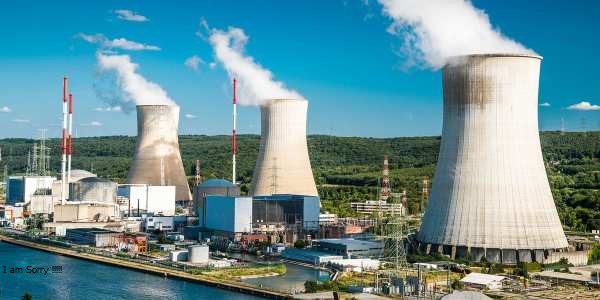
This is the most widespread and well-known application, based on nuclear fission. Uranium nuclei are split, releasing vast amounts of energy in the form of heat. This heat is used to convert water into high-pressure steam, which drives large turbines to generate electricity.
Nuclear power is considered a clean, low-carbon energy source, as nuclear plants emit no carbon dioxide during operation, making them environmentally friendly and non-contributory to climate change.
One of the major advantages of nuclear power plants is their extremely high energy density: a very small quantity of nuclear fuel (approximately 7 grams of enriched uranium) can produce the same amount of energy as one ton of coal. Additionally, nuclear power plants operate continuously around the clock, providing stable electricity supply—unlike renewable sources such as solar and wind energy.
- Nuclear Propulsion
Nuclear energy is used to power ships, submarines, and aircraft carriers, granting them the ability to remain at sea for years without refueling.
- Space Exploration
Advanced research is underway to develop nuclear propulsion technologies as a means of accelerating long-duration space missions to Mars and beyond.
- Seawater Desalination
Using multi-stage evaporation techniques, large volumes of seawater are pumped into massive tanks and heated using thermal energy from nuclear reactors. This causes the water to evaporate and subsequently condense, producing fresh potable water.
Third: Applications of Nuclear Radiation
Radiation emitted from nuclear reactions—such as gamma rays, alpha particles, and beta particles from radioactive isotopes—possesses unique properties that make it highly effective in various fields:
- Medical Field (Nuclear Medicine)
- Diagnosis:
Small, safe quantities of radioactive isotopes are injected into the patient’s body, where they accumulate in specific organs (such as the thyroid, heart, or bones). Specialized imaging cameras capture the emitted radiation to produce precise images that enable early diagnosis of diseases, including tumors and cardiovascular conditions. - Radiation Therapy:
High-energy radiation is used to destroy cancer cells and inhibit their growth. Brachytherapy is also employed, in which small radioactive sources are placed directly inside or near tumors for precise targeting. - Sterilization:
High-quality gamma radiation is used to sterilize medical equipment—such as syringes, gloves, scalpels, and surgical tools—without heat. It is also used to sterilize blood products and transplanted biological tissues. - Agriculture and Food
- Food Irradiation:
Canned foods and agricultural products (such as fruits, vegetables, and spices) are exposed to controlled radiation doses to eliminate bacteria, parasites, and insects safely, thereby extending shelf life and preventing foodborne diseases. - Crop Improvement:
Radiation is used to induce controlled genetic mutations in seeds, enabling scientists to develop new plant varieties with enhanced traits such as disease resistance, higher yields, and drought tolerance. - Industrial Applications
- Radiographic Testing:
Gamma rays and X-rays are used to inspect welds and metal structures in pipelines, bridges, and large industrial components without causing damage, enabling detection of internal cracks or defects. - Process Measurement and Tracing:
Radioactive isotopes are used as tracers to measure fluid flow rates in closed pipelines, detect leaks, and study engine corrosion. - Scientific Research and Environmental Studies
- Age Determination (Radiocarbon Dating):
Carbon-14 decay analysis is used to determine the age of ancient archaeological and geological samples. - Environmental Monitoring:
Radioactive isotopes are employed to track ocean currents, identify pollution sources, and study groundwater cycles.
Fourth: Risks Associated with Nuclear Technology
Despite its significant benefits, nuclear technology requires extreme caution, strict safety protocols, and sound management. The most critical challenges include:
- Nuclear Waste:
Ensuring the safe, scientific, and systematic disposal of spent fuel and radioactive materials. - Safety Assurance:
Strict adherence to the highest safety standards in operating reactors and radiation sources to prevent accidents. - Misuse Risks:
Preventing the diversion of civilian nuclear technologies for military purposes, a concern monitored by international bodies such as the International Atomic Energy Agency (IAEA).
Conclusion
Nuclear energy and nuclear radiation are indeed a double-edged sword. While they involve inherent risks requiring rigorous safeguards and precautionary measures, their peaceful applications offer exceptional benefits for human development—ranging from clean energy production and freshwater supply to saving lives in hospitals, ensuring food security, and advancing industrial growth.
When governed by strict safety requirements and prioritized security standards, nuclear technologies represent a promising pathway toward a future of greater growth, stability, and prosperity.
